

Understanding the silent struggle Awareness of gambling addiction and its impact
The Hidden Reality of Gambling Addiction
Gambling addiction often lurks in the shadows, affecting countless individuals without their immediate awareness. Unlike other substance dependencies, gambling addiction can be insidious, gradually escalating from casual play to a compulsive behavior that disrupts everyday life. Many do not recognize the severity of their habits until significant losses have occurred, making it crucial to foster awareness surrounding this often-overlooked issue. For those interested in online options, you can find more information about the different choices available at https://www.escapistmagazine.com/au/online-casinos/.

This hidden struggle can manifest in various forms, from online gambling to betting on sports or even playing in casinos. Each of these avenues provides a thrill that can easily spiral out of control, leading to financial ruin and emotional distress. The societal stigma associated with gambling addiction further complicates the situation, as many individuals feel embarrassed or ashamed, which can prevent them from seeking the help they desperately need.
The Role of Luck and Skill in Gambling
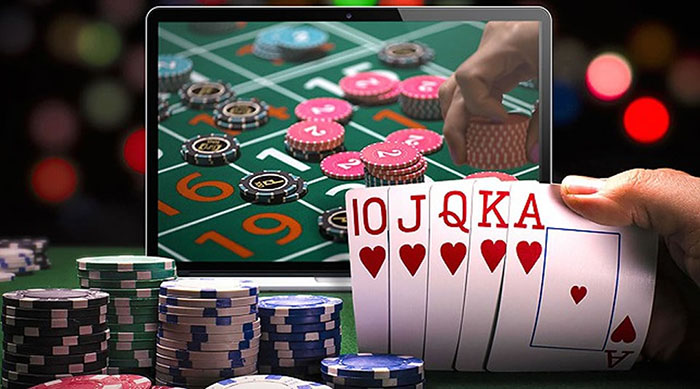
Understanding the dynamics of gambling involves discerning the delicate balance between luck and skill. While games of chance, such as slot machines, rely predominantly on luck, others, like poker, incorporate elements of skill. This blend can create a false sense of control, leading individuals to believe they can outsmart the odds. This misconception often encourages continued play, which can contribute to the development of addictive behaviors.
Additinally, the psychological impacts of these games can be profound. Players may feel an adrenaline rush when winning, reinforcing the desire to gamble more. This cycle of highs and lows can keep individuals trapped in a perilous loop, where the temporary thrill of winning overshadows the dangers of their gambling habits. Recognizing this interplay is vital for understanding the roots of gambling addiction.
Signs and Symptoms of Gambling Addiction
Identifying gambling addiction requires vigilance and awareness of the signs and symptoms. Common indicators include a preoccupation with gambling, increasing tolerance, and loss of control over betting behavior. Individuals may also lie about their gambling activities or engage in risky behavior to fund their habits. The emotional toll can lead to anxiety, depression, and strained relationships with loved ones.
Awareness of these symptoms is crucial, as they can serve as early warning signs for both the individual and their family. Addressing these behaviors promptly can prevent further escalation into more severe consequences, including financial instability and mental health challenges. It is important to foster open discussions about gambling to reduce stigma and encourage individuals to seek help when needed.
The Impact of Gambling Addiction on Relationships
The ripple effect of gambling addiction extends beyond the individual, impacting family and friends who may suffer from the consequences. Trust is often eroded as loved ones confront the realities of the addiction, leading to emotional distress and conflicts. Relationships can become strained as family members grapple with feelings of betrayal, anger, and confusion.
The financial burden of gambling can also create significant stress within households, exacerbating existing tensions. Bills may go unpaid, and savings can dwindle, leaving families in precarious situations. Understanding the far-reaching implications of gambling addiction highlights the need for supportive environments where individuals can seek help without fear of judgment.
Support and Resources for Gambling Addiction
Numerous resources are available for those struggling with gambling addiction, ranging from hotlines to counseling services and support groups. These platforms provide vital assistance and create a sense of community for individuals looking to overcome their challenges. Engaging with these resources can foster healing and recovery, helping individuals reclaim their lives.
Moreover, public awareness campaigns play a key role in educating communities about the risks associated with gambling and the importance of early intervention. Increasing dialogue about gambling addiction can encourage those affected to seek help sooner, potentially mitigating the devastating impacts that can arise from this silent struggle.